Knowing which squad you are looking at from across the field matters more than most players realize, because jersey recognition drives split-second reads on offense and defense. This NFL Universe Football team colors guide breaks down every primary, secondary, and alternate palette across all 32 franchises so you can pick a look you actually enjoy seeing every snap.
Understanding the Color System in NFL Universe Football
The color system in NFL Universe Football mirrors the real league closely, but the game adds its own lighting and material rendering that can shift how a jersey reads on different stadium screens. Each franchise carries a primary color, a secondary color, and at least one alternate accent that appears on helmets, pants, socks, and stadium branding. When you load into a match, the game pulls the home team's primary kit by default, while the away squad gets either a white-based or alternate look depending on the matchup logic.
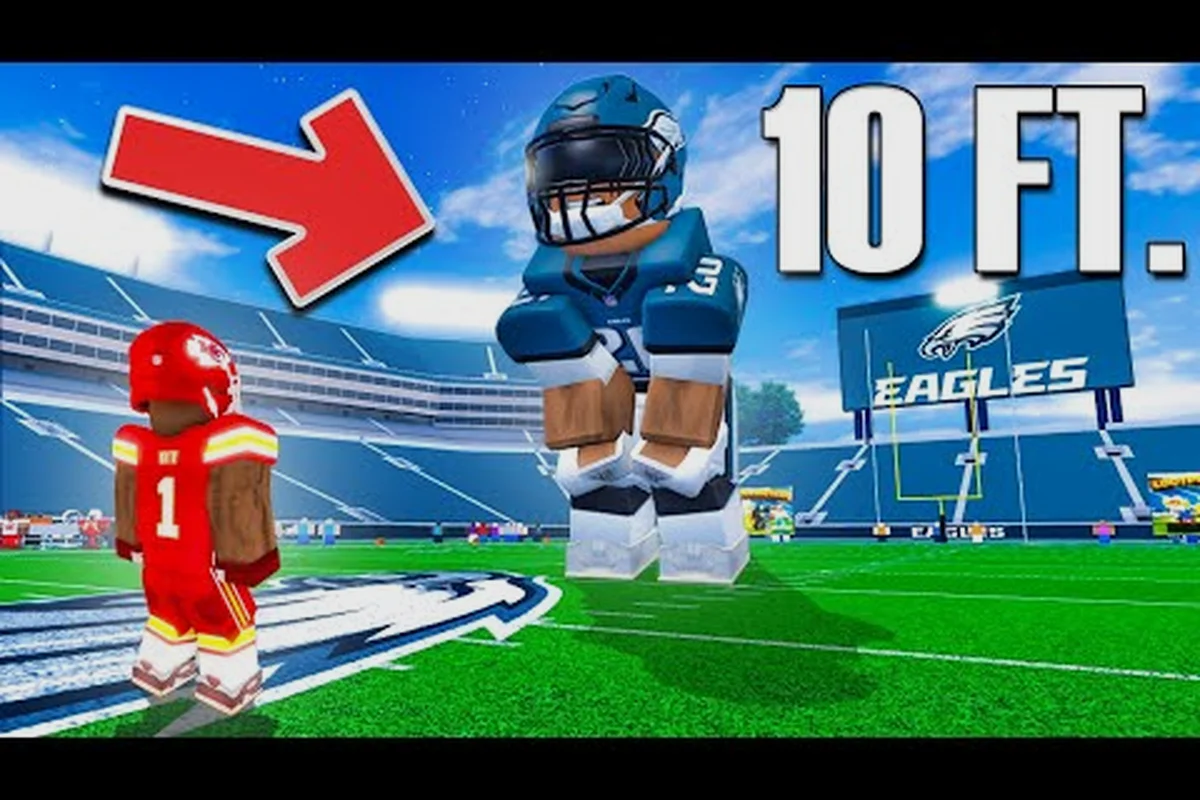
The visual identity of a team does more than look good. It helps you track your own players in crowded pileups, especially when both teams wear dark tones. Community testing shows that high-contrast pairings like Midnight Green against Silver or Black against White are the easiest to read during fast camera cuts. The game also applies a subtle color grading filter inside each stadium, which means a jersey that looks bright in the menu can appear slightly muted under certain roof types or night lighting.
Because the game updates uniforms with real NFL licensing, some kits shift year to year. The uniform guide covers how those changes roll out and which classic looks return as throwbacks. For now, the core palettes remain stable enough to build a reliable mental map of all 32 squads.
How Primary and Secondary Colors Work
Every team in the game has a home kit built around the primary color and an away kit that usually flips to white or a lighter neutral. The secondary color shows up on sleeve stripes, collar trim, and helmet decals. Alternate kits, such as Color Rush or throwback sets, swap the primary and secondary or introduce a third accent that only appears on special uniforms.
The table below lists the primary and secondary colors for a representative group of franchises, based on the in-game team select screen and community-reported values. Because the UI never exposes raw hex codes, the pairings below reflect what you actually see when scrolling through the franchise list — which matters more than official brand specs, since NFL Universe Football reuses a simplified palette per kit rather than pulling exact Pantone values. A good example is the Philadelphia Eagles: their Midnight Green reads noticeably darker on the select screen than it does during a stadium tour under open-roof lighting, so the secondary Black often blends into the collar trim unless you look at the sleeve stripe. Similarly, the Las Vegas Raiders flip the usual convention by using Silver as the primary, which means their away kit keeps more color than most teams and makes them one of the easier squads to spot from a distance.
| Team | Primary Color | Secondary Color | Alternate Accent |
|---|---|---|---|
| Philadelphia Eagles | Midnight Green | Black | Silver |
| Las Vegas Raiders | Silver | Black | White |
| Dallas Cowboys | Navy Blue | Silver | White |
| Kansas City Chiefs | Red | Gold | White |
| Pittsburgh Steelers | Black | Gold | White |
| Miami Dolphins | Aqua | Orange | White |
| Green Bay Packers | Dark Green | Gold | White |
| San Francisco 49ers | Red | Gold | White |
The exact hex values are not exposed in the UI, but the visual differences are clear enough that you can identify any team within a second or two once you learn the pairings. Players who run a full stadium tour often notice that the same jersey can look slightly different depending on whether the roof is open or closed.
Ranking the Most Recognizable Team Color Sets
Not all color sets are created equal when it comes to on-field visibility and pure style. Some franchises lean on classic combinations that have stayed nearly unchanged for decades, while others experiment with alternates that split the fanbase. This section ranks a few standout palettes based on contrast, historical weight, and how well they translate to the game's rendering engine.
The Silver and Black of the Raiders remains one of the most iconic looks in football, and it carries over beautifully into NFL Universe Football. The metallic silver helmet catches the stadium lights in a way that makes the squad instantly recognizable even in wide camera shots. The Black Hole branding around the stadium reinforces the identity, making every home game feel like a visual event.
Another standout is the Midnight Green worn by the Eagles. This darker green reads almost black in shadow, which creates a moody, aggressive look that pairs well with the team's physical playstyle. The silver accents on the helmet wings pop against the dark base, giving the kit a sharp contrast that holds up during night games.
The table below compares a few popular kits by contrast level and visual identity strength, using the rendering engine's lighting model as the baseline. Contrast here measures how cleanly the primary jersey separates from pants, helmet, and field textures at default camera distance—critical for spotting receivers on deep routes or reading defensive alignments pre-snap. Visual identity strength reflects how quickly a uniform reads as its franchise in motion, factoring in helmet decals, sock striping, and end-zone branding that the game pulls from each stadium's asset pack.
| Team | Contrast Level | Visual Identity Strength | Best Lighting Condition |
|---|---|---|---|
| Las Vegas Raiders | Very High | Iconic | Night |
| Philadelphia Eagles | High | Strong | Overcast |
| Dallas Cowboys | Medium | Classic | Day |
| Miami Dolphins | High | Vibrant | Day |
| Pittsburgh Steelers | Very High | Iconic | Night |
| Seattle Seahawks | Medium | Modern | Day |
The Seahawks neon green accents and Buccaneers pewter-and-red scheme show how modern designs can still feel distinct without abandoning tradition. If you want to see how every franchise stacks up beyond colors, the all 32 teams breakdown walks through each roster and its default setup.
Color Sets That Split the Community
Some palettes generate strong opinions. The Browns orange-and-brown combo is either beloved for its uniqueness or mocked for its lack of flash, depending on who you ask. The Jaguars teal-and-black look has shifted multiple times in real life, and the game reflects the current iteration while keeping older alternates available for players who prefer the classic teal-heavy design.
Community reports suggest that the Cardinals red-and-white set reads cleanly on most screens, but the black alternate can blend into shadowed end zones during late-afternoon games. The Rams royal-and-sol update from their rebrand appears in the game as a selectable alternate, giving players a way to run the older look if they prefer it over the current bone-and-blue scheme.
How to Unlock All Teams and Their Color Kits
When you first start NFL Universe Football, not every franchise may be available depending on your progression path and the current build. The process to unlock all teams typically involves completing introductory challenges, reaching certain account levels, or opening team packs through the in-game store. The exact unlock flow can shift with updates, so treat the steps below as a general roadmap based on community testing as of the current patch.
Most players report that the initial roster includes a rotating set of free teams, with the rest gated behind progression. To unlock the full 32, you generally need to earn team tokens or complete franchise objectives tied to specific squads. Some teams unlock through simple playtime, while others require you to win a certain number of games with a division rival.
The table below outlines the common unlock paths reported by the community. Because team tokens drop at inconsistent rates from franchise objectives and division challenges, players chasing a specific color kit often keep a token reserve of 2–3 before committing to an unlock, since the rotating starter roster can temporarily hide a squad you already earned. Community testing also suggests that team packs from the in-game store favor unowned franchises until roughly the final five remain, after which duplicate drops become more frequent — so targeting division rivals first is the most reliable route to a full 32-team color collection.
| Unlock Method | Typical Requirement | Teams Unlocked |
|---|---|---|
| Starter Roster | Available at account creation | 8 rotating teams |
| Division Challenges | Win 3 games in a division | 8 division leaders |
| Franchise Objectives | Complete team-specific tasks | 8 additional squads |
| Team Packs | Open packs from the store | Random unlocks |
| Full Roster Bundle | Purchase or earn via season pass | All remaining teams |
The team tokens system means you can target specific franchises rather than relying on random pack drops. If you want a particular color set, check the division challenges first, because those often reward the exact team you are chasing. The player ratings guide explains how team unlocks interact with roster building and chemistry bonuses.
Targeting Specific Color Kits Through Challenges
If your goal is to grab the Midnight Green Eagles kit or the Silver and Black Raiders look, focus on the division that contains your target team. Winning three games with any team in that division typically unlocks the division leader first, then completing the follow-up objective unlocks the rest of the division. Community data suggests that the NFC East and AFC West are popular starting points because they contain multiple high-contrast, visually distinct kits.
The unlock path is not purely cosmetic. Each team carries its own default playbook and roster strengths, so unlocking a squad also gives you access to its tactical identity. A team like the Ravens brings a run-heavy scheme with a dark purple-and-black palette, while the Dolphins offer a speed-focused offense wrapped in aqua and orange.
Underdog Teams and the Worst Kits in the Game
Every player has a different definition of what makes an underdog team fun to run. In NFL Universe Football, the underdog label usually applies to squads with lower overall ratings but strong visual identity or unique playstyle quirks. The Lions have historically been an underdog pick, and their Honolulu Blue and silver palette gives them one of the more underrated looks in the league.
The Bengals orange-and-black tiger stripe design stands out as one of the boldest kits, and running them as an underdog feels rewarding because the visual identity matches the aggressive, pass-heavy scheme. The Falcons red-and-black set also reads well on screen, even if the team's in-game rating places them outside the top tier.
When it comes to the worst team in terms of visual appeal, the answer is subjective, but community polls consistently place a few franchises near the bottom. The Commanders burgundy-and-gold set has been criticized for feeling dated, while the Titans navy-and-light-blue combo sometimes gets lost against darker stadium backdrops. The table below summarizes community sentiment on a few polarizing kits.
| Team | Community Sentiment | Common Criticism | Strength |
|---|---|---|---|
| Washington Commanders | Mixed | Dated color pairing | Historical weight |
| Tennessee Titans | Below Average | Low contrast | Clean navy base |
| Jacksonville Jaguars | Polarizing | Teal oversaturation | Unique identity |
| Cleveland Browns | Polarizing | Orange fatigue | Tradition |
| Arizona Cardinals | Average | Black alternate blends in | Clean red base |
None of these are truly unplayable, and the game's lighting engine does a lot of heavy lifting to keep every kit readable — stadium tour mode's dynamic shadows and broadcast camera angles can shift how a uniform reads on the field, which is why a kit that looks flat in the team select menu often pops during actual gameplay. The worst team label usually comes down to personal taste rather than an objective rendering flaw. For example, the Jaguars teal oversaturation flagged in the table above bothers some players on daytime kickoffs but reads as a distinctive identity under night-game lighting, while the Titans low-contrast navy gets rescued by the engine's rim lighting on outdoor turf.
Why Underdog Kits Still Matter
Running an underdog team with a distinctive color set can actually improve your experience, because you are less likely to face mirror matches and more likely to stand out in lobbies. The Lions Honolulu Blue reads as a bright, cool tone that contrasts well against most red-heavy opponents, while the Bengals orange pops against green fields and gray stadiums.
The visual identity of an underdog squad also feeds into the psychological side of matchups. When you beat a higher-rated team while wearing a kit that the community considers weak, the win feels more earned. The game does not apply any stat changes based on jersey color, but the confidence boost from a clean look is real.
Stadium Tour and How Colors Change by Venue
The stadium tour in NFL Universe Football is more than a visual showcase. Each venue applies its own lighting profile, shadow mapping, and field tint that subtly shifts how every jersey renders. A kit that looks bright and saturated in an open-air day stadium can appear darker and more muted inside a dome or during a night game with heavy shadow coverage.
The AT&T Stadium in Dallas uses a massive video board and bright white lighting that makes silver and white accents gleam, while the Lambeau Field setup leans into a colder, greener tone that flatters dark green and gold kits. Community reports note that the Allegiant Stadium black-and-silver interior reinforces the Raiders' home identity better than almost any other venue in the game.
The table below compares a few stadium lighting profiles and how they affect jersey readability. Because each venue's lighting profile interacts with the game's shadow mapping and field tint systems, the same kit can shift several shades between a bright outdoor build and a dark dome interior — for example, a matte navy jersey that reads cleanly under AT&T Stadium's neutral white lights can lose almost all definition against Allegiant Stadium's black-and-silver bowl, where only high-contrast silver or white piping stays legible at kickoff. This is why community kit tests often run the same uniform across Hard Rock Stadium's warm saturated profile and Lambeau Field's cool green-tinted one before locking in a primary squad, since a tone that pops in Miami's aqua-and-orange environment may flatten into mud under Green Bay's colder cast.
| Stadium | Lighting Profile | Best Jersey Tones | Worst Jersey Tones |
|---|---|---|---|
| AT&T Stadium | Bright, neutral | Silver, white, navy | Dark matte tones |
| Lambeau Field | Cool, green-tinted | Dark green, gold | Bright orange |
| Allegiant Stadium | Dark, dramatic | Silver, black, white | Muted earth tones |
| Hard Rock Stadium | Warm, saturated | Aqua, orange, white | Cool grays |
| SoFi Stadium | Bright, blue-tinted | Royal, yellow, white | Warm reds |
The NFL license update covers how stadium interiors and team branding were refreshed to match the real venues more closely. If you plan to run a full stadium tour, pay attention to how your chosen kit reads in each environment before committing to a main squad.
Picking a Kit That Works Across Venues
If you want a kit that holds up in every stadium, prioritize high-contrast pairings with a bright neutral. White, silver, and gold accents tend to stay readable across lighting profiles, while very dark matte tones can disappear in shadow-heavy domes. The Chiefs red-and-gold set works well almost everywhere because the gold catches light and the red stays saturated under most conditions.
The 49ers red-and-gold and the Cowboys navy-and-silver are similarly safe picks. Avoid kits that rely on a single dark tone without a bright secondary, because those are the ones most likely to blend into the field during night games.
Frequently Asked Questions
How do I unlock all 32 teams in NFL Universe Football?
You unlock all 32 teams by completing division challenges, finishing franchise objectives, and opening team packs. The starter roster includes a rotating set of free squads, while the rest require team tokens or season pass progress. The exact flow can shift with updates, so check the in-game objectives tab for current requirements.
Which team has the most recognizable color set?
The Las Vegas Raiders' Silver and Black is widely considered the most recognizable color set in the game. The metallic silver helmet and black base create a high-contrast look that reads instantly in any stadium. The Philadelphia Eagles' Midnight Green and the Pittsburgh Steelers' black-and-gold are close runners-up.
What is the worst team color combination in NFL Universe Football?
Community polls often place the Washington Commanders' burgundy-and-gold and the Tennessee Titans' navy-and-light-blue near the bottom for visual appeal. The criticism usually focuses on dated pairings or low contrast. However, the game's lighting engine keeps every kit readable, so the worst label is subjective.
Does jersey color affect gameplay or stats?
No, jersey color has no impact on player stats, speed, or gameplay mechanics in NFL Universe Football. The visual identity is purely cosmetic. That said, high-contrast kits can help you track your own players more easily during fast camera cuts and crowded pileups.
Can I change my team's color kit after unlocking it?
Yes, you can switch between home, away, and alternate kits from the team select screen once you unlock a franchise. Some alternate kits, including throwback and Color Rush sets, are tied to specific objectives or seasonal content. The uniform guide details how to access every available look.